


Japanese precision and Italian tailoring are converging on global runways, and the result is a fascinating cultural dialogue in fashion. In fact, Japanese‑Italian fusion designs are now among the primary drivers of the precision‑sartorial trend in 2026, proving that craftsmanship from Kyoto and Naples can create a compelling new language of style.
Key Takeaways
| Question | Answer |
|---|---|
| What is “The Tailor's Kyoto Dream”? | It represents the fusion of Japanese heritage aesthetics and Italian sartorial craftsmanship shaping modern luxury fashion. |
| Which garments capture this aesthetic? | Pieces like the Kiton Blue Cotton EA Coat demonstrate Italian tailoring combined with minimalist design sensibilities. |
| How does Japanese design influence tailoring? | Japanese fashion emphasizes restraint, precision cuts, and textile storytelling, which complements traditional Neapolitan tailoring. |
| Are suits part of this style movement? | Yes. Structured tailoring like the Kiton KNT Gray Double‑Breasted Suit reflects the precision‑sartorial approach. |
| What modern pieces reflect the trend? | Contemporary tailoring staples such as the Kiton KNT Blue PA EA Suit show how classic silhouettes adapt to modern aesthetics. |
| What accessories support the look? | Travel and lifestyle accessories like the Kiton Black Leather Travelbag reinforce the refined traveler narrative behind the Kyoto Dream. |
The Cultural Bridge Between Kyoto and Naples
Kyoto represents centuries of textile artistry and ceremonial clothing traditions. Naples represents centuries of tailoring mastery.
When designers combine these traditions, the result is garments that balance Japanese minimalism with Italian construction techniques.
This dialogue between East and West has become increasingly visible on Tokyo runways and European fashion stages in 2026.


Why Japanese Minimalism Fits Italian Tailoring
Japanese fashion values subtle color palettes, precise silhouettes, and balanced proportions. Italian tailoring values structure, fluid drape, and fabric quality.
These philosophies align more than they conflict. Both traditions prioritize craftsmanship and intentional design.
Designers working with this hybrid style often rely on understated coats and refined outerwear.


Runway Influence: Tokyo’s Avant‑Garde Vision
Tokyo fashion weeks often showcase experimental tailoring that blends traditional silhouettes with futuristic styling. Italian houses increasingly observe these runway signals.
The result is structured clothing that still feels fluid and adaptable.
Trousers and layering pieces are especially important in this approach.


Fabric Heritage and the Kyoto Textile Legacy
Kyoto’s textile traditions include silk weaving, kimono fabrics, and intricate dyeing techniques that date back centuries.
When Italian tailors interpret these traditions, they often translate them into structured garments such as blazers.
The fusion celebrates craftsmanship rather than imitation.


Precision Tailoring and Structured Silhouettes
Italian tailoring emphasizes clean structure and precise shoulder construction. Japanese fashion emphasizes disciplined proportion.
When combined, garments achieve a refined balance between strict structure and relaxed flow.
Suits and coats are the most visible expressions of this precision approach.


Accessories That Support the Tailoring Narrative
The Kyoto Dream aesthetic extends beyond garments. Accessories support the narrative of refined travel and cultural exchange.
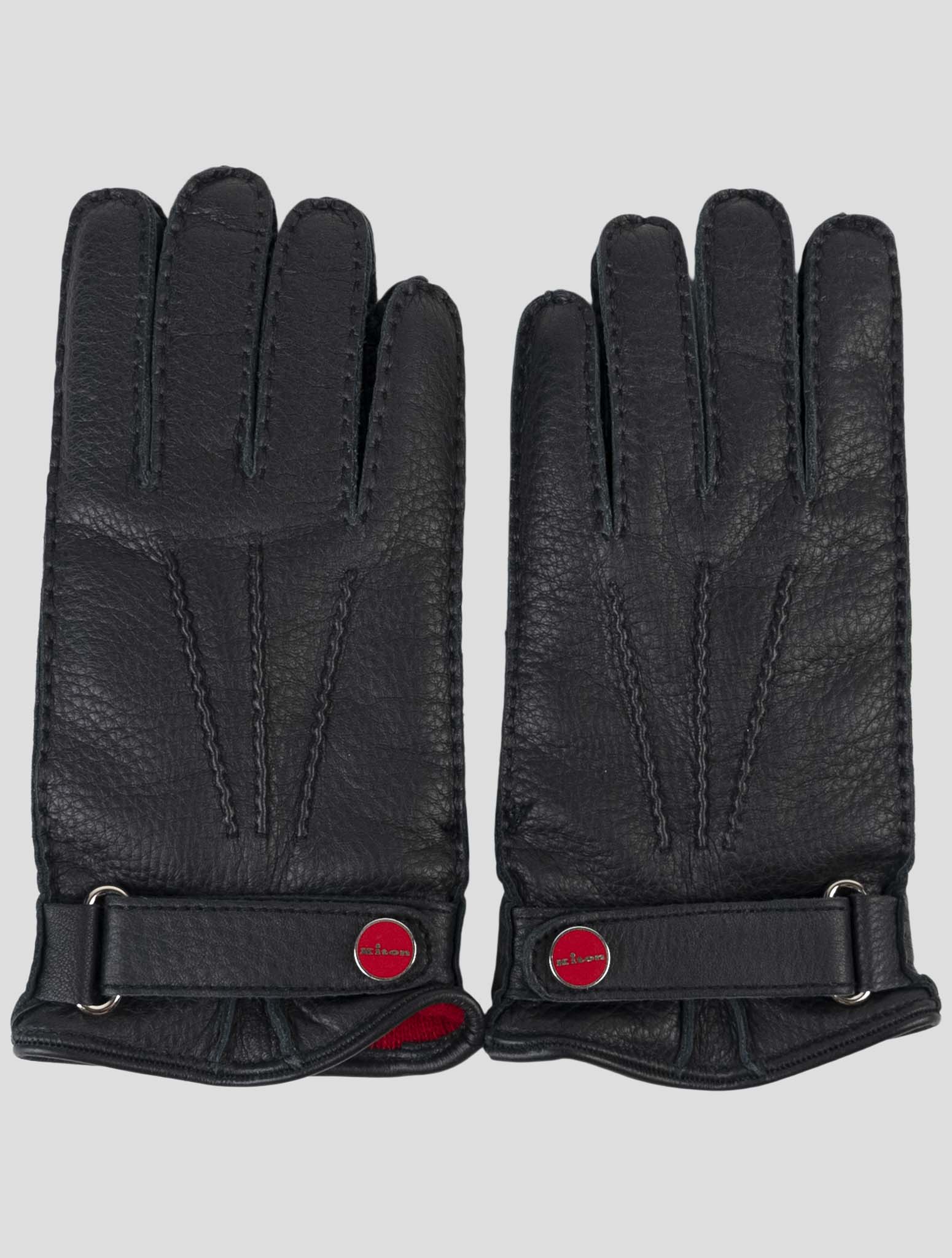
Leather goods and gloves reflect both practicality and craftsmanship.
These pieces often accompany tailored outfits during runway presentations and editorial shoots.

The Role of Storytelling in Luxury Fashion
Modern luxury consumers look for narrative and heritage as much as product quality. Designers increasingly build collections around cultural themes.
The Kyoto Dream concept provides a rich narrative that connects craftsmanship, travel, and artistic inspiration.
This storytelling approach resonates strongly with global audiences in 2026.


Why the Kyoto Dream Matters for Modern Tailoring
The fusion of Japanese and Italian fashion traditions reflects a broader shift toward craftsmanship and cultural exchange.
Consumers in 2026 increasingly favor garments with meaningful heritage and visible artistry.
The Kyoto Dream illustrates how fashion evolves by blending traditions rather than replacing them.


Conclusion
The Tailor's Kyoto Dream represents a meeting point between two powerful traditions of craftsmanship. Japanese design contributes discipline, textile artistry, and conceptual storytelling.
Italian tailoring contributes structure, fit expertise, and fabric mastery. Together they form a modern luxury language that continues to influence runways, wardrobes, and cultural conversations across the global fashion landscape in 2026.